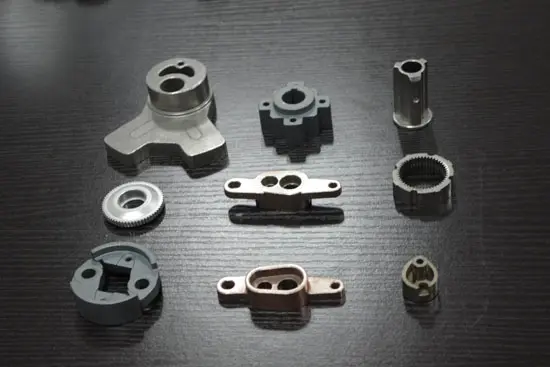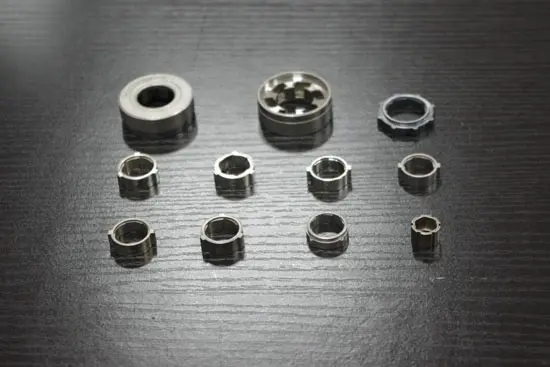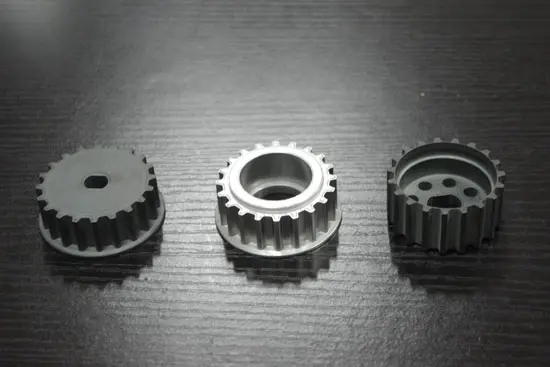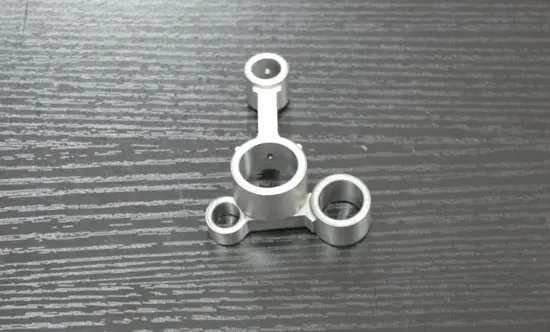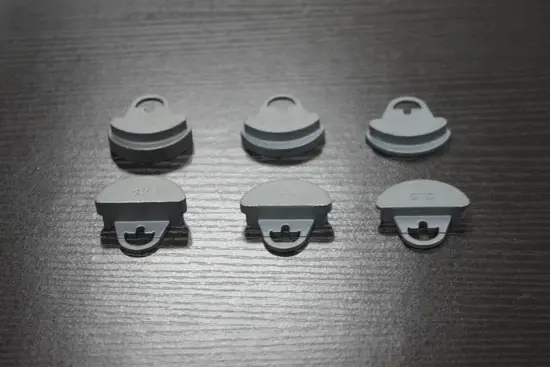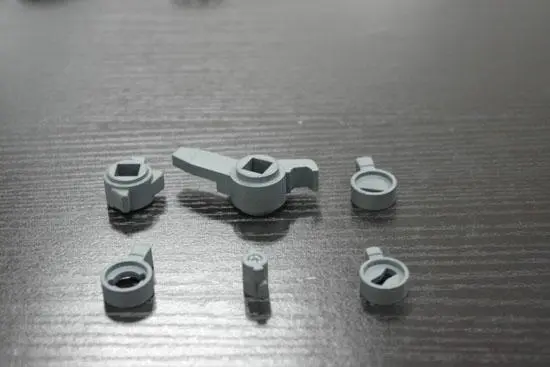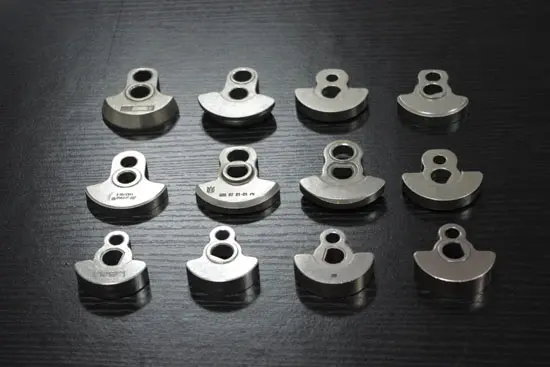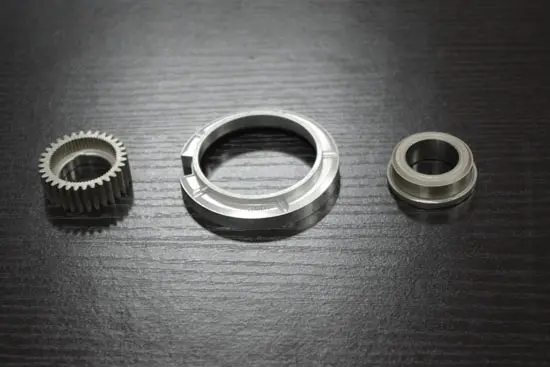
sintered metal parts
- home
- sintered metal parts
What is Sintered metal parts:
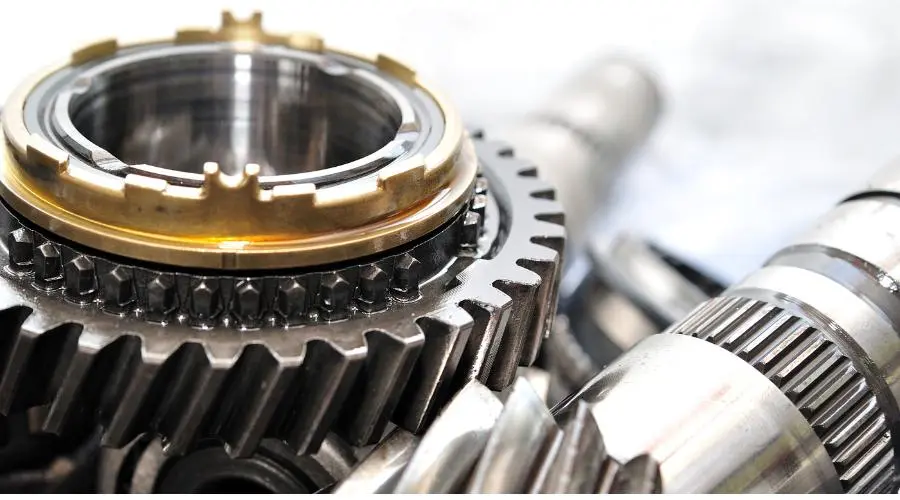
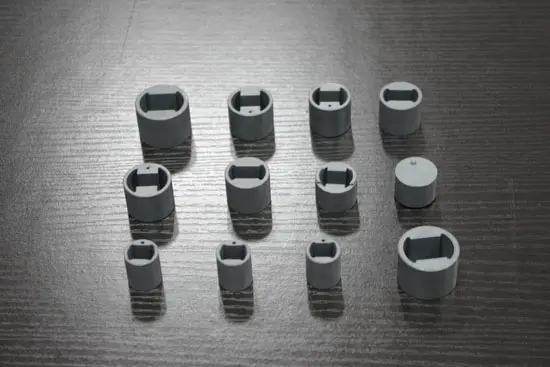
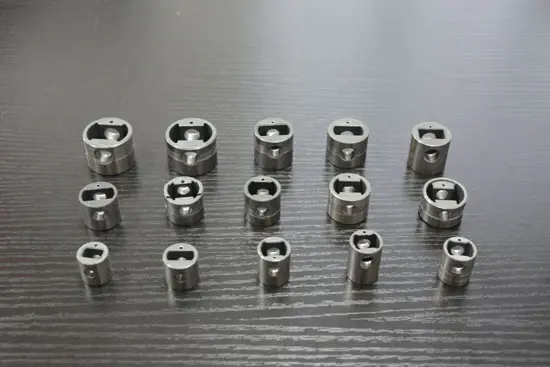
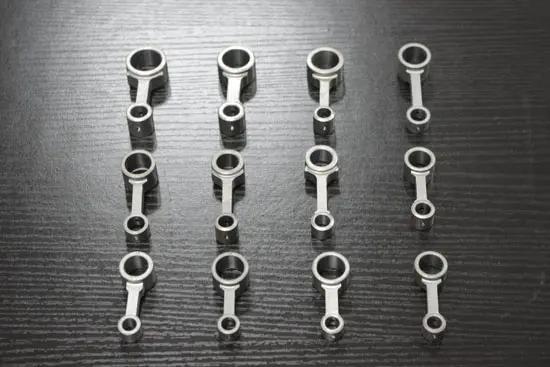
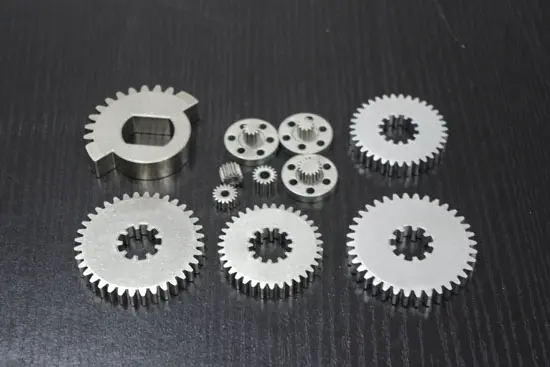
Sintered metal parts are made using a powder metallurgy technique called sintering. In this method, metal powder is compressed into a precise shape, and then heat is used to attach the metal particles inside the created item, enabling it to maintain its new shape. Sintering can be used to produce a wide range of metal part types and is compatible with many different metals and alloys.
JIEHUANG Sintered Metals are experts in cutting-edge sintering procedures that turn powdered metals into durable, dependable metal products. Learn more about the metal sintering procedure and how it can help your application by reading on.
What is the sintering process:
- powder pressing
- charging (preparation before loading and sintering)
- sintering (preheating, heat preservation and cooling)
- coming out
- sintered body
What are advantages Sintered metal parts ?
●Through sintering, high quality sinter with stable chemical composition, uniform particle size, good reducibility and high metallurgical performance can be provided for blast furnace, which creates good conditions for high quality, high yield, low consumption and long life.
●Can remove harmful impurities such as sulfur, zinc, etc.;
●Industrial waste, such as blast furnace dust, rolled steel, sulfuric acid slag, steel slag, etc.;
●Non-ferrous metals and rare earth metals can be recovered.
What are Common sintered metal materials:
Hard alloy: composed of tungsten, cobalt, carbon and other metals, with high hardness, strong wear resistance, corrosion resistance and other properties, widely used in machining, mining and other fields.
Tungsten alloy: Mainly composed of tungsten, iron, nickel and other metals, with high density, high strength, high melting point and other characteristics, often used in the manufacture of aerospace and national defense high-temperature parts.
Diamond composite material: Diamond as the main component material, through the sintering process and other metal materials composite, has excellent hardness, thermal conductivity, is widely used in abrasive, cutting, electronics, energy and other fields.
Nano ceramic composite material: composed of metal materials, oxides, etc., with high strength, high toughness, high wear resistance and high temperature stability, suitable for high-speed cutting, high temperature sintering, electronic devices and other fields.
In addition, sintered metal materials also include a variety of special alloys, ceramic composite materials and nano metal materials.
To help you better understand sintered metal materials, I have created a detailed table listing the different types of sintered metal materials and their associated properties.
Applications of Sintered Metal Products
Sintered metal products are widely used across multiple industries due to their exceptional properties such as high strength, wear resistance, and precise dimensional tolerances. Below are some key applications of sintered metal products:
1. Automotive Industry
Sintered metals are essential in the automotive industry for manufacturing engine components, transmission systems, and brake systems. Products like camshafts, gears, bearings, and brake pads benefit from sintered metals’ high strength, wear resistance, and ability to perform under high friction and temperature conditions.
2. Aerospace Industry
The aerospace industry utilizes sintered metal products such as structural components and engine parts. Sintered titanium alloys and nickel-based superalloys are chosen for their strength-to-weight ratio, corrosion resistance, and high-temperature capabilities, making them ideal for use in aircraft and jet engines.
3. Medical Industry
Sintered metal products play a critical role in the medical field, particularly in implants and prosthetics and surgical instruments. Materials like sintered titanium and stainless steel are favored for their biocompatibility, strength, and durability, making them suitable for orthopedic implants and dental applications.
4. Industrial Machinery
In industrial machinery, sintered metals are used for manufacturing bearings, bushings, gears, and sprockets. Materials like sintered bronze and iron provide excellent self-lubricating properties and high wear resistance, reducing maintenance needs and extending component lifespan.
5. Consumer Electronics
Sintered metals are widely used in consumer electronics for making heat sinks, small motors, actuators, and switch components. Sintered copper and aluminum ensure efficient thermal management and reliable performance in electronic devices.
6. Oil and Gas Industry
The oil and gas industry benefits from sintered metal products like filtration components and valve parts. These products are designed to withstand high pressure and temperature conditions, with materials that offer high strength and corrosion resistance.
7. Electrical Industry
In the electrical industry, sintered metals are used for contacts, terminals, and magnetic components. Sintered silver, copper, and soft magnetic materials are preferred for their excellent conductivity, wear resistance, and magnetic properties.
8. Tool and Die Industry
The tool and die industry uses sintered metals for cutting tools, molds, and dies. Sintered tungsten carbide is known for its extreme hardness and wear resistance, making it ideal for high-pressure and high-wear environments.
9. Jewelry and Fashion
Sintered metals, such as stainless steel, titanium, and precious metal alloys, are popular in jewelry and fashion for creating decorative items and watch components due to their aesthetic appeal and durability.
10. Home Appliances
Sintered metal components are found in various home appliances, such as compressors in refrigerators and air conditioners, as well as blades and gears in blenders and mixers. These components benefit from the strength, durability, and wear resistance of sintered metals.