
DIE CASTING SURFACE FINISH
- home
- DIE CASTING SURFACE FINISH
Polishing
Aluminium surface treatment techniques come in a wide variety. Metal pieces are prepped for painting using a procedure called metal surface treatment. Pre-treatment for coatings is a popular name for the preparation. Typically, this entails putting up a physical barrier to shield metal from corrosive conditions.
A non-electrolytic chemical interaction between the metal surface and solution produces the surface films employed in chemical conversion coatings. They are crystalline or amorphous sheets that adhere. The base metal must be changed into one of the components that is less reactive to corrosion than the original metal surface in order for the metal surface treatment to create a protective coating.
The surface treatment of zinc-aluminum alloy die castings is generally divided into the following categories: powder spraying, baking paint, passivation (including phosphating, chroming, film) treatment, anodizing, polishing, electroplating, powder spraying, electrophoresis, sand blasting, shot blasting Wait.
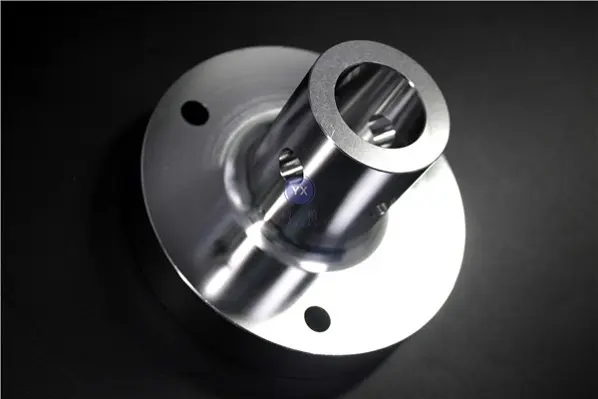
Powder coating
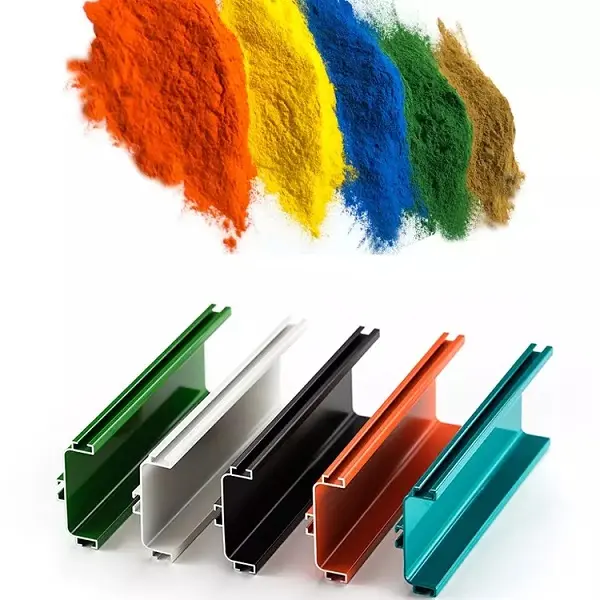
The powder coating equipment sprays the powder coating on the surface of the die casting. Under the action of static electricity, the powder will be uniformly adsorbed on the surface of the die casting to form a powder coating.
paint process
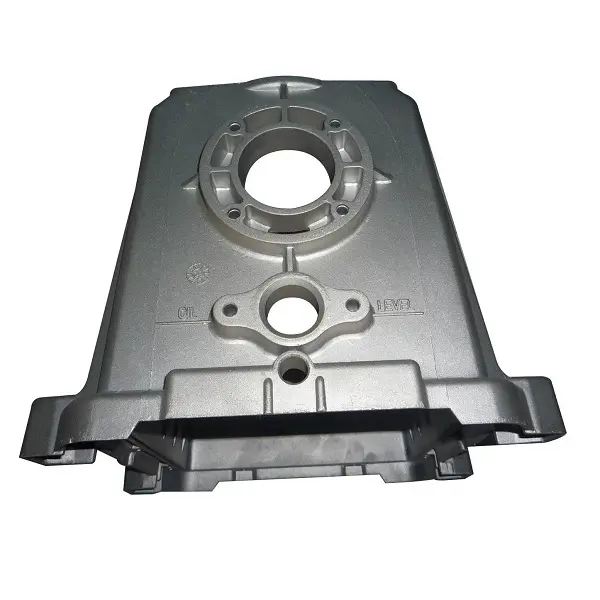
Chrome Plating
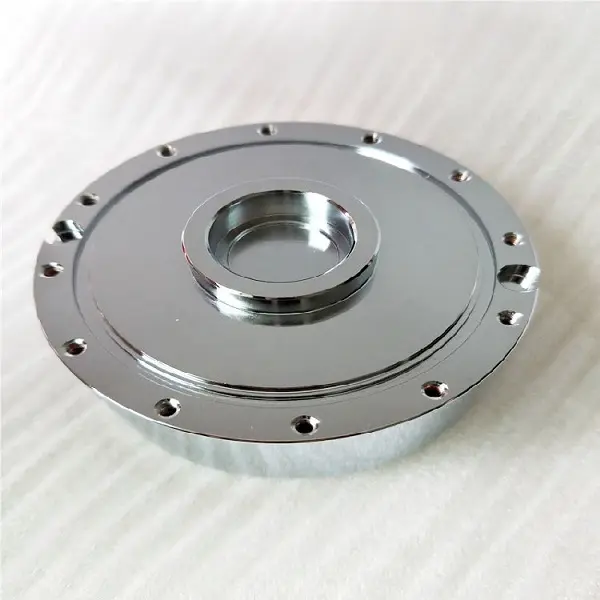
Chrome Plating is the process of depositing metal or alloy on the surface of the workpiece by electrolysis to form a uniform, dense and well-bonded metal layer, which is called electroplating. A simple understanding is a change or combination of physics and chemistry.
Anodizing
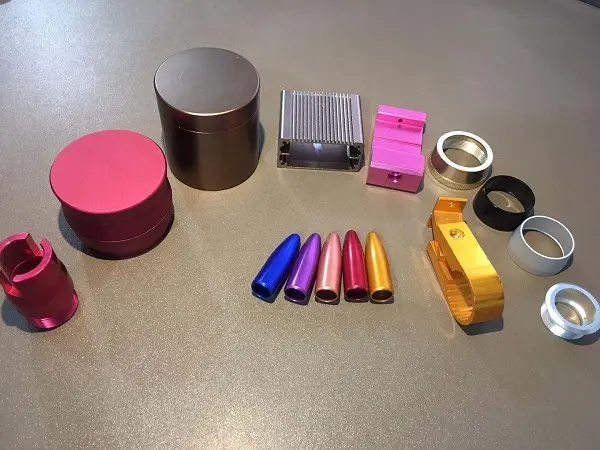
Passivation
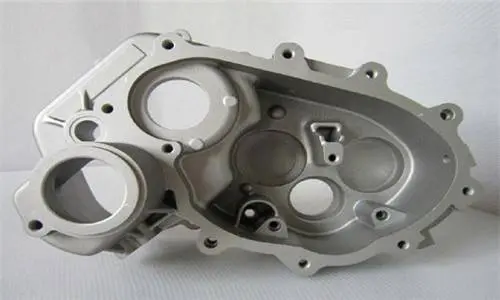
Surface oxidation of aluminum alloy die castings products , suitable for conductive oxidation, aluminum or aluminum profiles, suitable for anodizing.
The importance of zinc-aluminum alloy die-casting surface treatment technology is that it greatly enhances product quality through surface treatment, conserves valuable materials and realizes material surface compounding, solves problems that cannot be solved by a single material, and restores energy saving with good overall benefits without wasting materials.